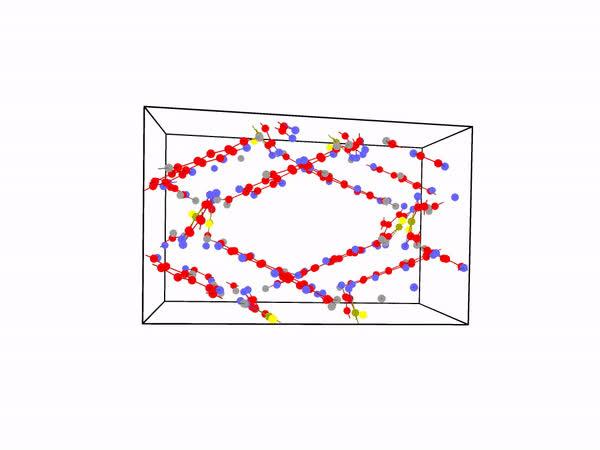
Health
Pharmaceutical Discovery
Simulating molecular structures for rapid drug development.

Harnessing the laws of quantum mechanics to solve problems that are impossible for classical computers.

Quantum computing overcomes the physical limits of classical transistors by using qubits that leverage superposition and entanglement. Controlled by quantum gates, these systems manipulate probability waves through interference to solve complex problems exponentially faster than traditional bits
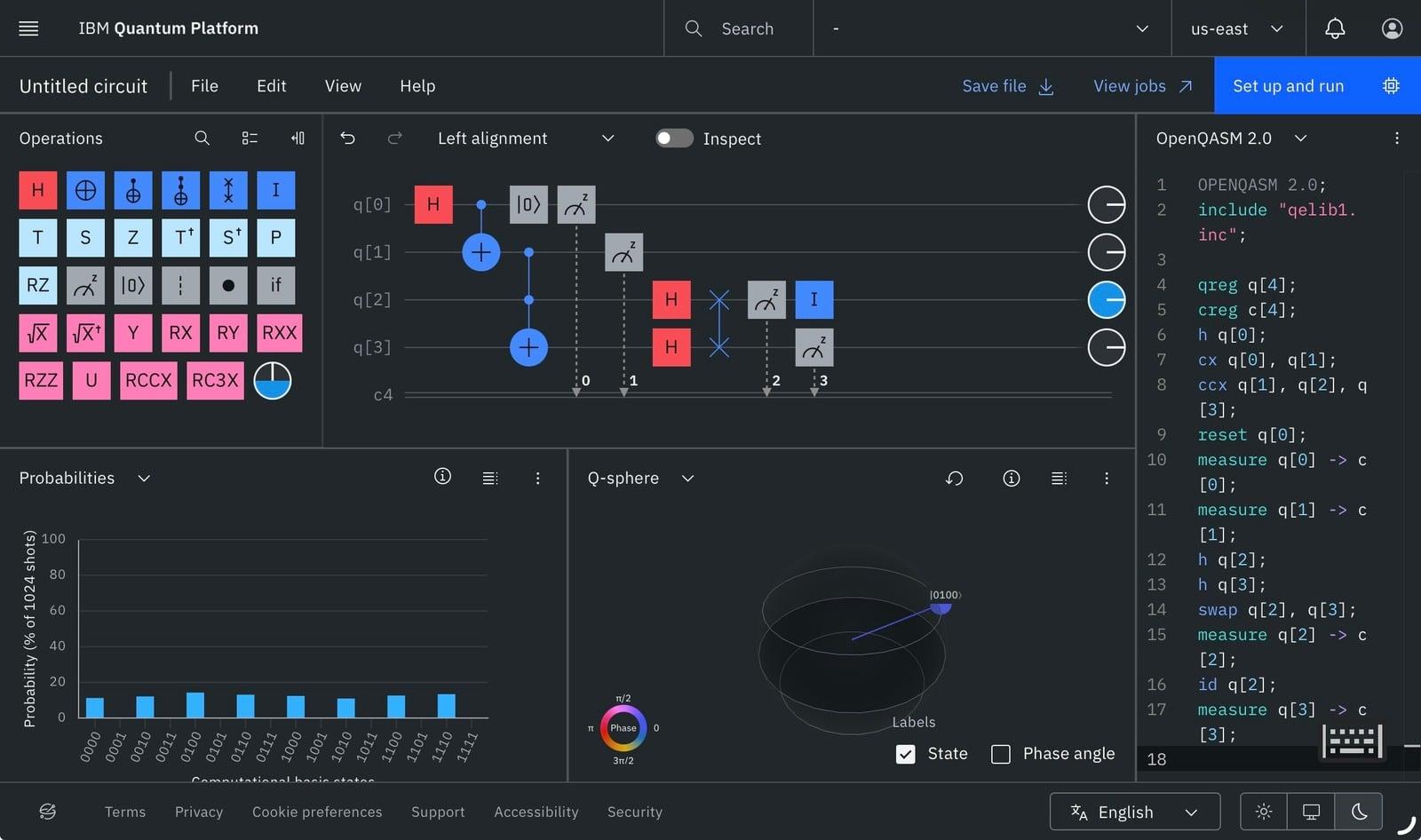
Interface example
A single 16:9 view of a quantum computing interface where circuits, gates, and execution results come together.
Example use cases
Three near-term examples show how quantum systems can support national capability as hardware, software, and talent mature together.
Health
Simulating molecular structures for rapid drug development.

Finance
High-speed risk assessment and market modeling.

Logistics
Optimising Traveling Salesperson routes to reduce carbon emissions.

We have intentionally skipped experimental tech like quantum computing to keep our project "honest" and affordable. By using standard, proven technology, we ensure the system is ready to be used right now on existing computers without the need for expensive or specialized hardware.
Bibliography · The Quantum Shift