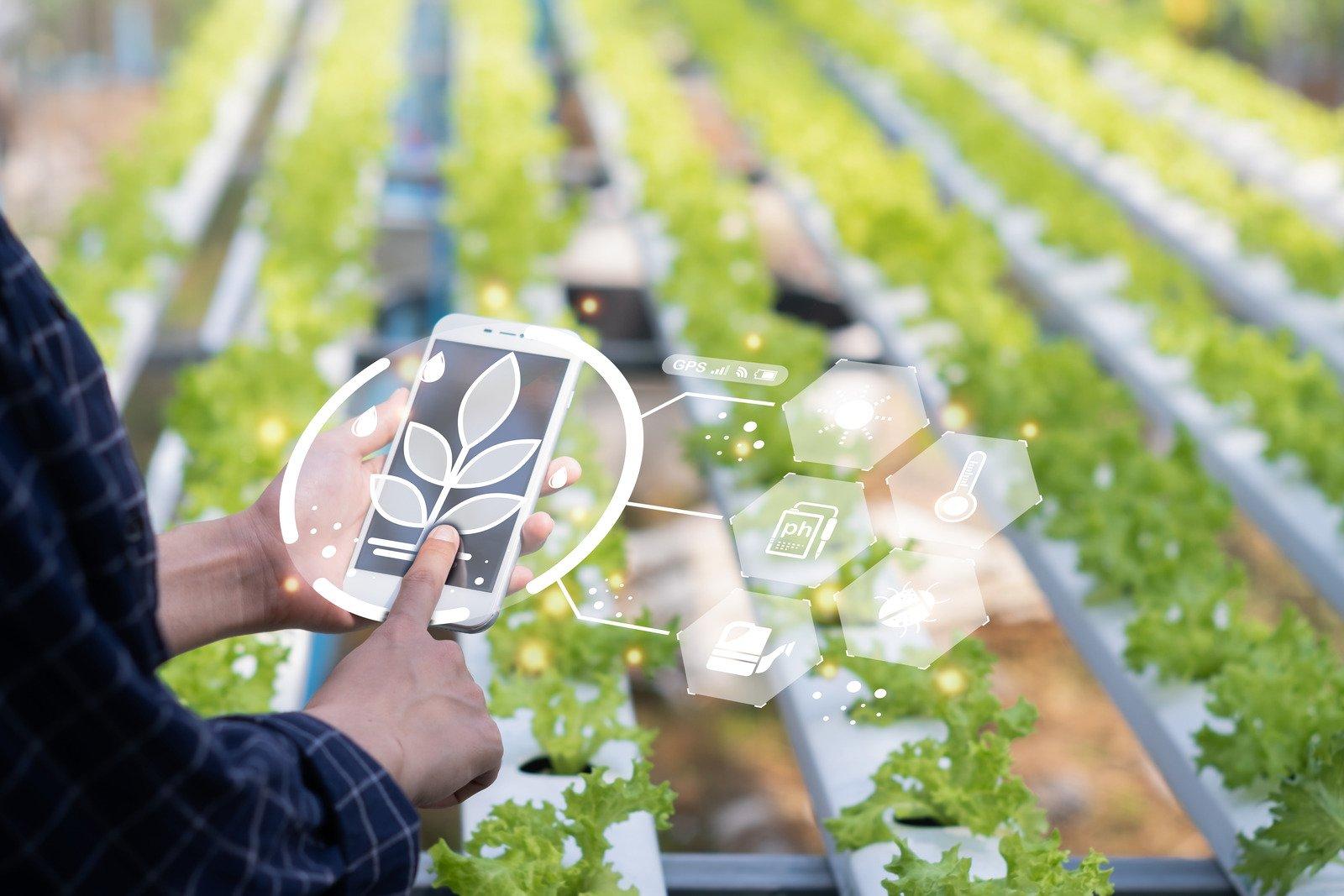
Agriculture
Smart Agriculture
Soil sensors triggering automated irrigation systems.
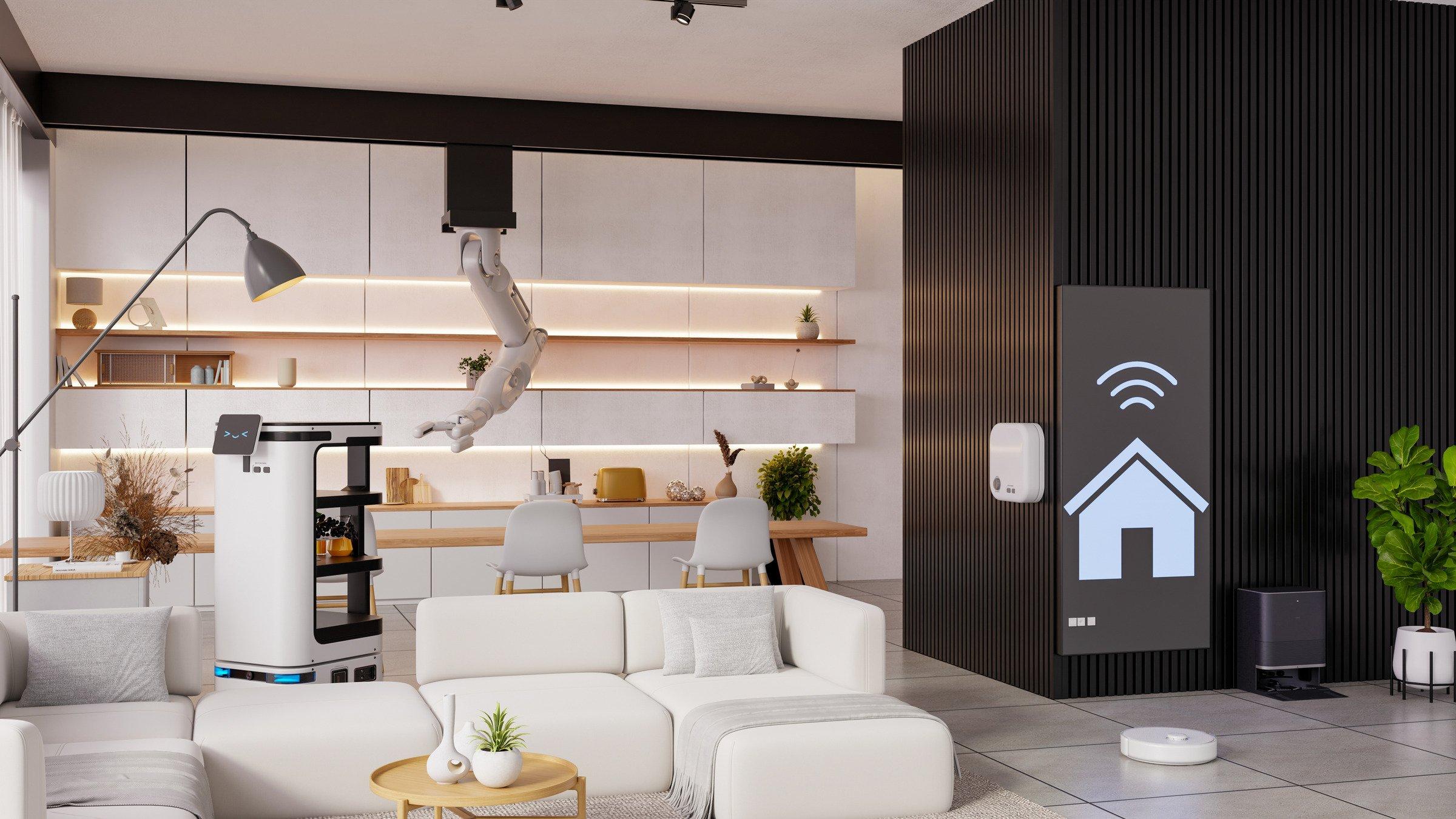
The Internet of Things (IoT) connects daily life devices into intelligent networks using microcontrollers like the Arduino Uno R3. These systems operate through a standard flow of Input (sensors), Process (logic), and Output (actuators) to create adaptive, smart environments.
System diagram
A simplified IoT architecture showing how sensors, processing logic, and connected outputs work together.
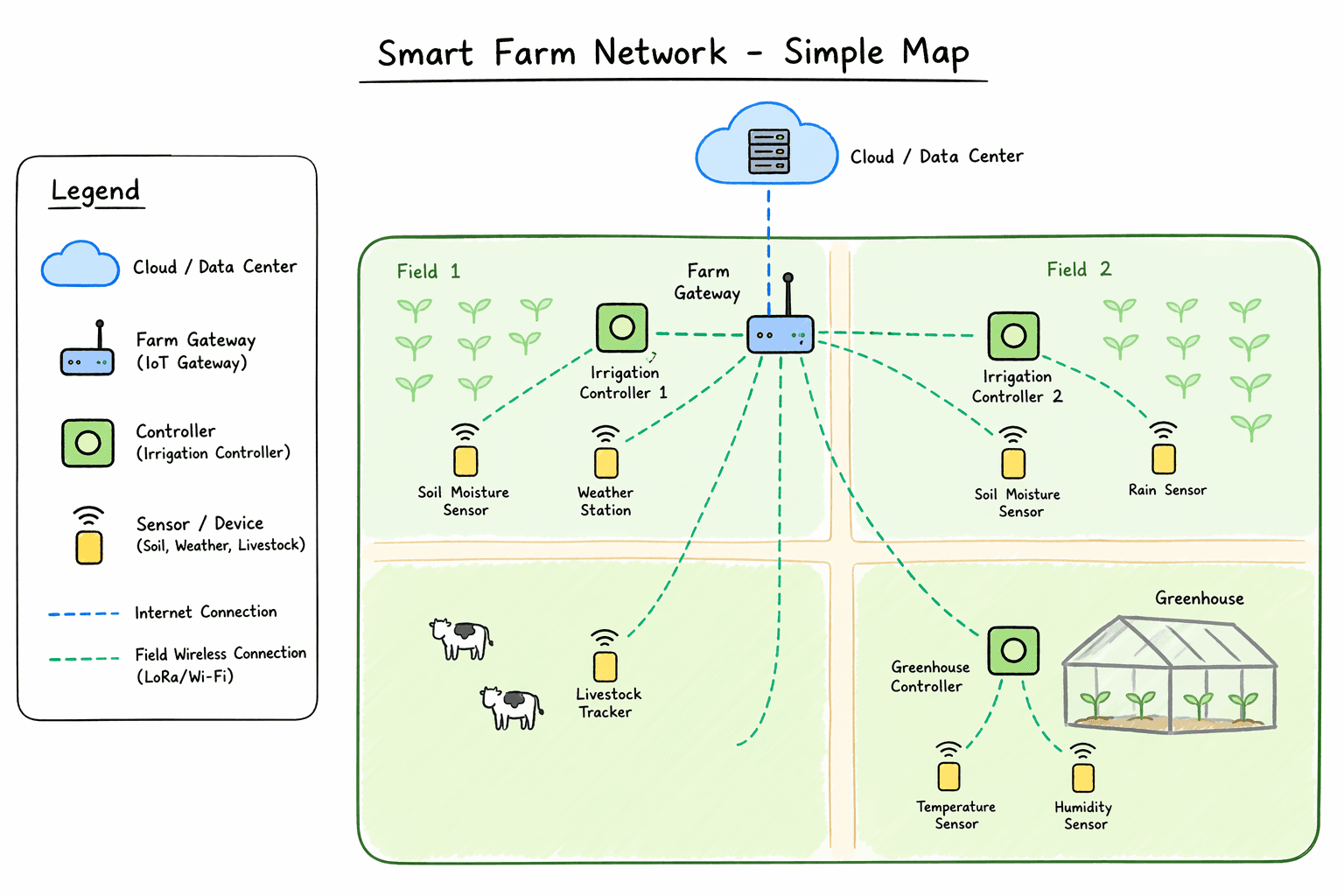
Example use cases
Agriculture
Soil sensors triggering automated irrigation systems.

Power
Monitoring electricity flow to prevent neighborhood blackouts.
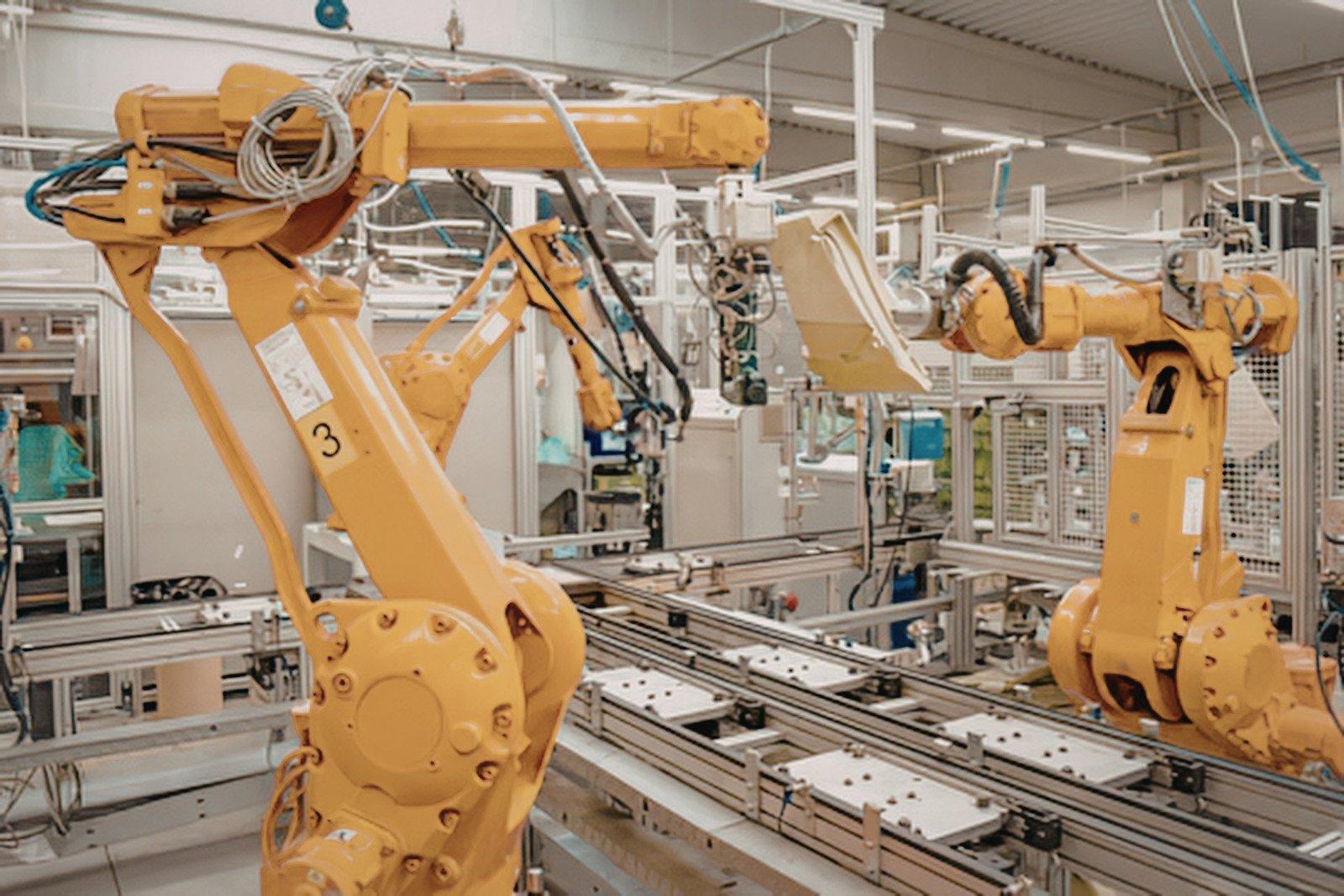
Industrial
Predictive maintenance sensors on factory machinery.

We don’t need to spend millions on new hardware. Our system plugs into the 900+ sensors and weather stations already installed across Thailand. We take the information these devices are already collecting and unlock its full potential through our unified platform.
Bibliography · IOT Systems