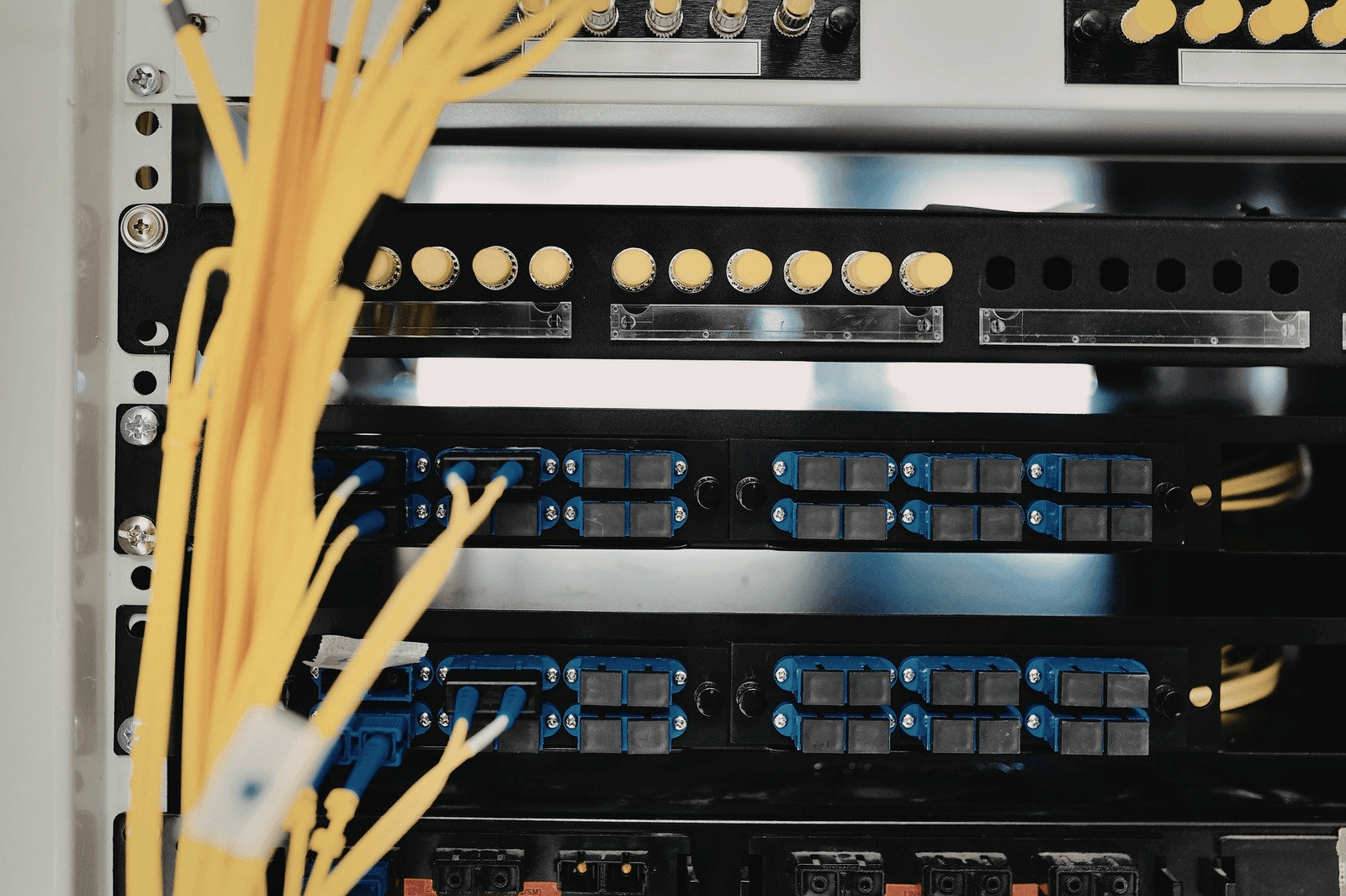
Infrastructure
Critical Infrastructure
Protecting power grids from remote disabling attacks.


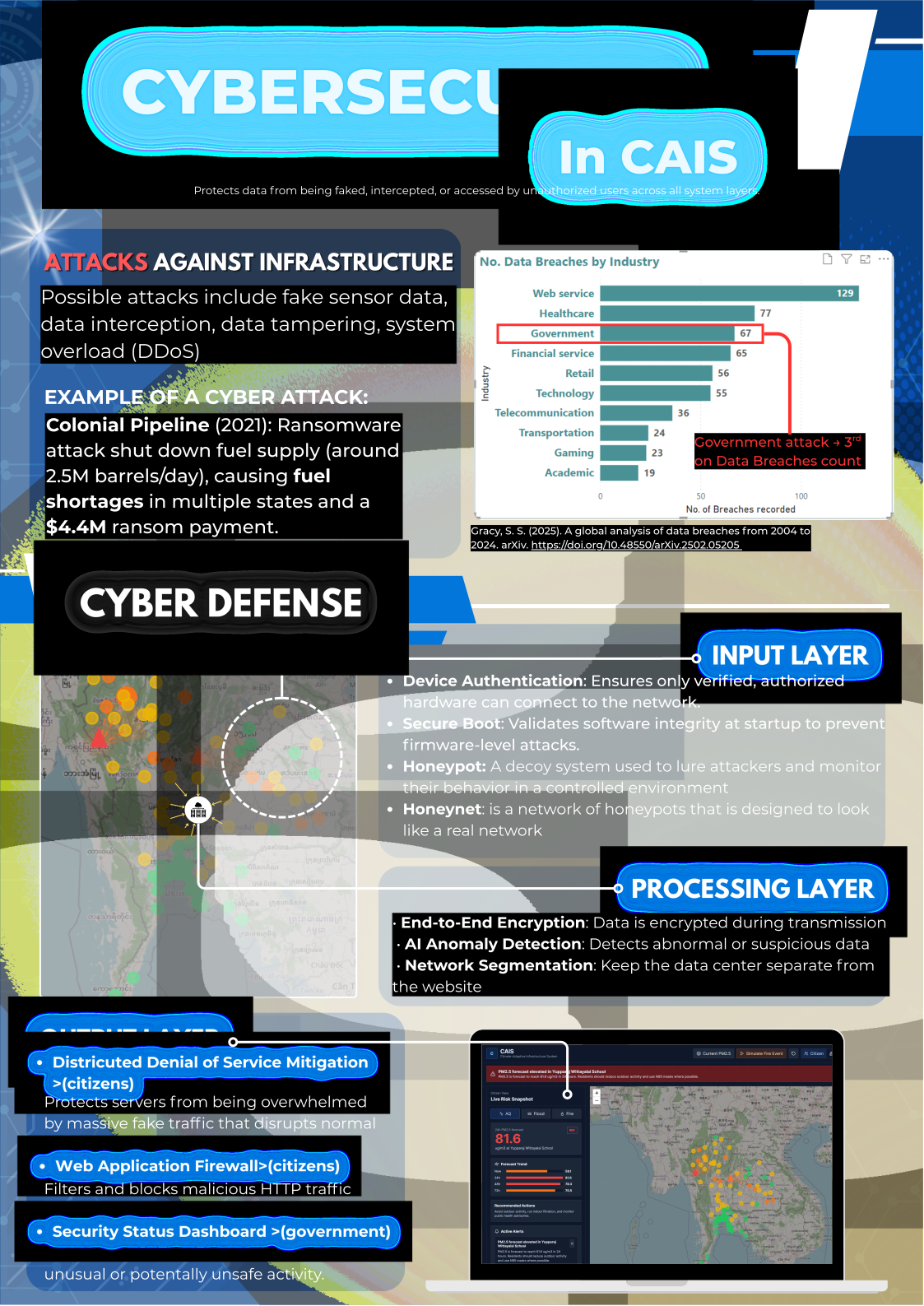
Guided by the CIA Triad—Confidentiality, Integrity, and Availability—cybersecurity protects digital assets from unauthorized access and damage. It defends against a landscape of threats including malware, phishing, and ransomware through protective measures like complex passwords, Two-Factor Authentication (2FA), and encryption.
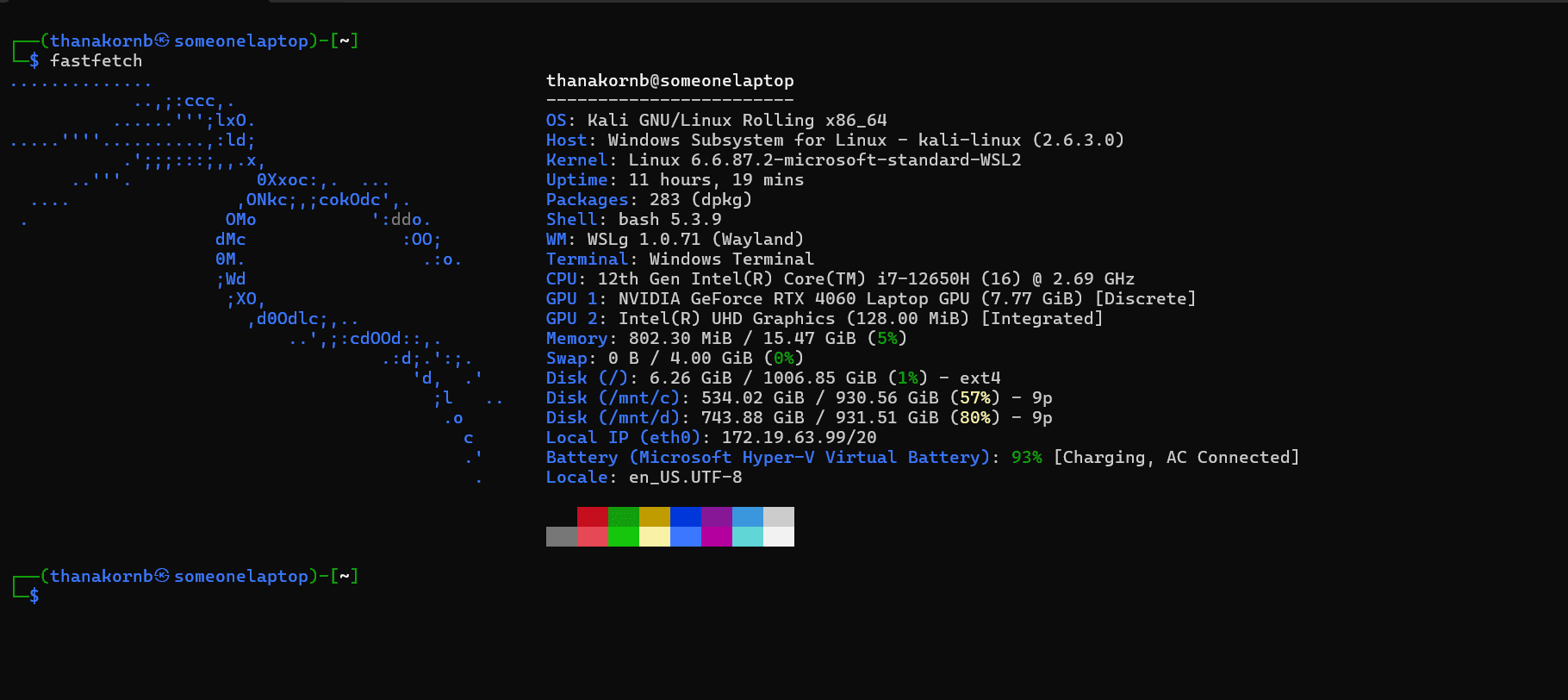
Peek into the workspace
Kali Linux is a powerful open-source operating system used by cybersecurity professionals for penetration testing and ethical hacking. It comes preloaded with hundreds of tools for tasks like vulnerability assessment, network analysis, and digital forensics, making it an essential platform for identifying and addressing security weaknesses.
Example use cases
Infrastructure
Protecting power grids from remote disabling attacks.

Finance
Preventing fraud in national banking systems.

Privacy
Safeguarding healthcare records against data breaches.
Integration
Safety and trust are built into the core of the system. We use a "Human-in-the-Loop" approach, meaning that while the AI suggests actions, a human official must hit "approve" before any major emergency alerts are sent out. This prevents false alarms and keeps the government in total control.
Bibliography · Cyber Security